Safe removal, transportation, dismantling, and disposal of damaged, unwanted, and abandoned boats.
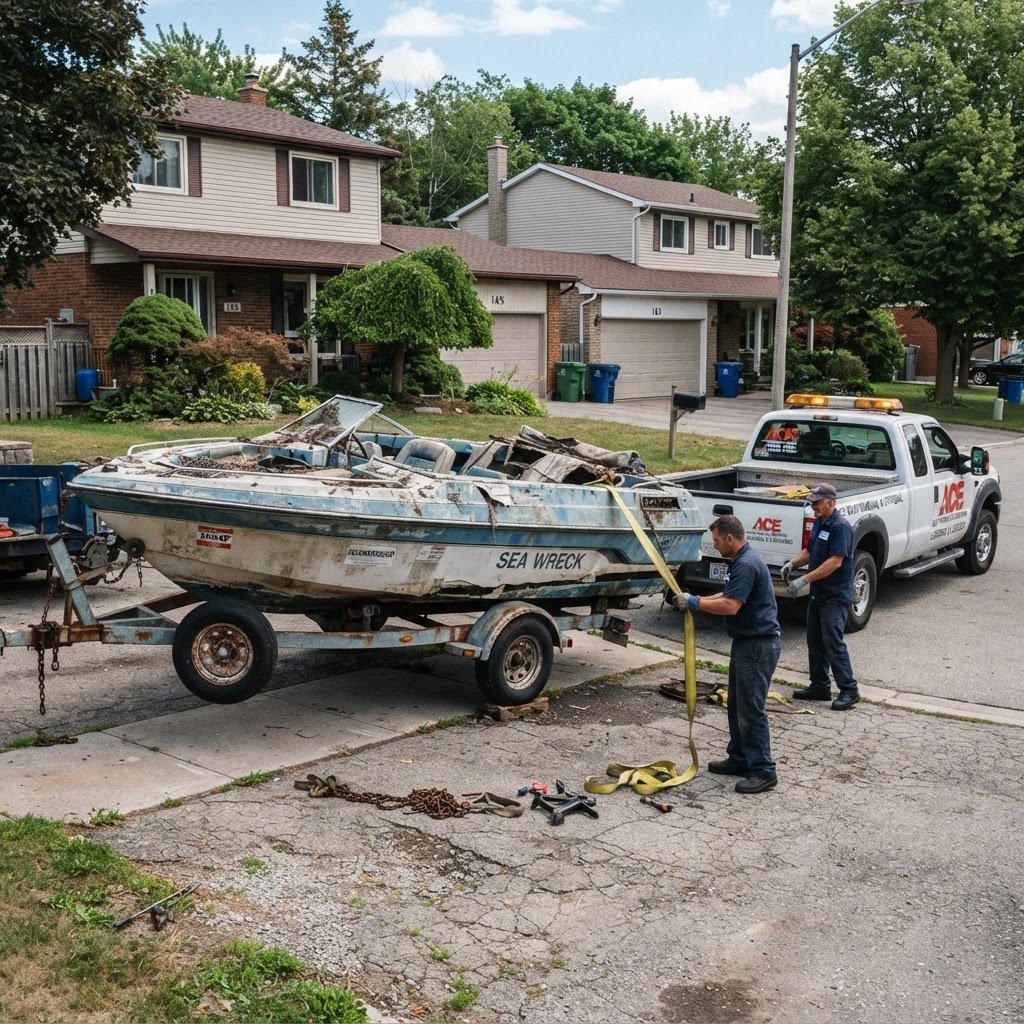
ATS Boat Recovery provides removal and disposal services for damaged boats, unwanted boats, abandoned boats, boats that cannot be repaired, and boats that cannot safely return to service. We handle vessels in the water, on trailers, in storage yards, and in driveways. Each removal is planned based on site access, vessel condition, and local regulations. Once removed, the boat can be transported, dismantled, and disposed of using appropriate disposal options. We can also provide documentation of the removal and disposal process to help you communicate with your insurance provider.
Removal and disposal requirements may vary based on the location, vessel condition, ownership documentation, and local regulations.
ATS Boat Recovery may provide photographs, estimates, invoices, vessel information, and available project documentation to help customers communicate with their insurance companies.
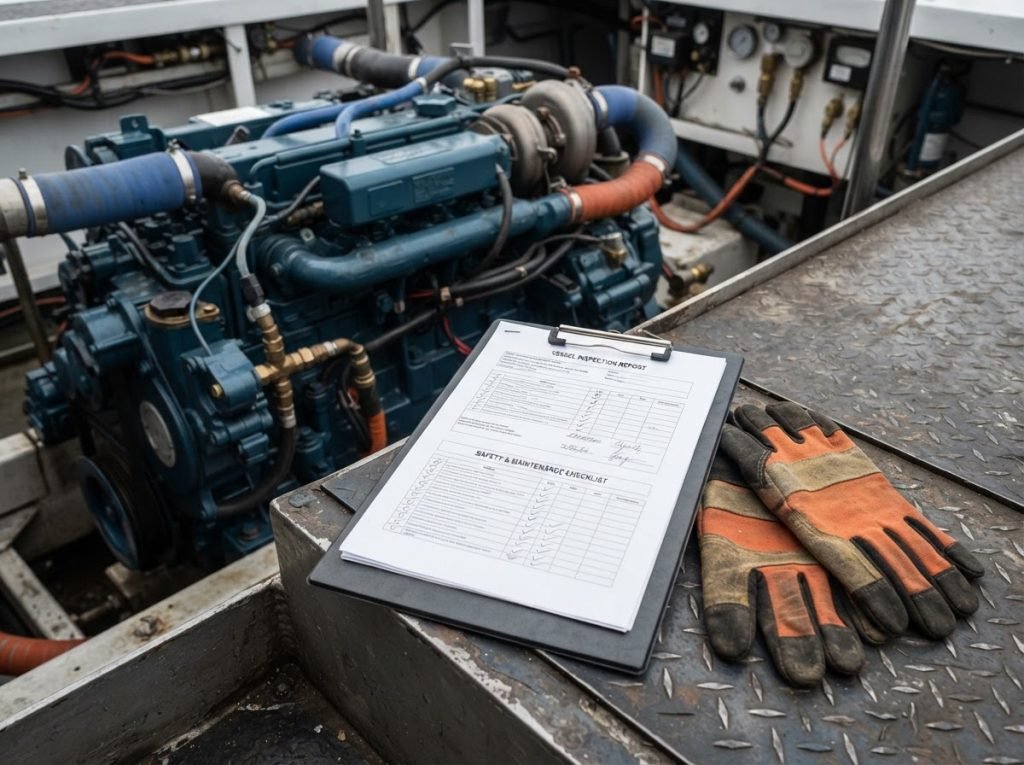
ATS Boat Recovery handles removal and disposal of damaged boats, unwanted boats, abandoned boats, and boats that cannot be safely repaired or returned to service. This includes fiberglass, aluminum, and steel vessels of various sizes.
Yes, ownership documentation is typically required before removal and disposal can begin. Requirements may vary based on your location and local regulations, so we can discuss what is needed for your specific situation.
Depending on the vessel condition, the boat may be transported, dismantled, and disposed of in accordance with local regulations. We can discuss available disposal options during the removal planning process.
Yes. ATS Boat Recovery can assist with removing boats from trailers, storage yards, driveways, and other land-based locations, not just vessels in the water. Site access is reviewed as part of the removal planning.
We can assist with abandoned boats, but ownership and local regulations must be addressed first. Removal of abandoned vessels often requires coordination with the property owner or relevant authorities. Contact us to discuss your situation.
Tell us where the vessel is located and what happened. We will review the information and contact you to discuss the available recovery options.